The letter starts with beginners, families, clubs, coaches, and people who want safer first launches.
Safe Sale, Safe Paddle · Independent UK campaign
Make safety part of every sale.
Sign the Summer 2026 Open Letter asking retailers to put clear safety guidance and suitable buoyancy aid or PFD choices beside the buying decision.
Open letterSummer 2026
Clear information. Suitable flotation offered. Every signature reviewed.
Why this exists
Safety should meet people before they reach the water.
Beginner paddlers should not have to know the right search terms before basic safety guidance appears. If a shop can make the board easy to buy, it can also make the safety decision easy to see.
This campaign is for accessible paddling with clearer responsibility at the buying moment: flotation, conditions, calling for help, leash choice, and recognised advice before checkout and before launch.
The public ask
Make the safety decision as visible as the product.
Clear safety information before purchase, with suitable flotation visible and actively offered.
Your name, region, and comment appear only if you opt in and your signature is approved.
Our campaign
Two changes retailers can make before a buyer reaches the water.
The campaign is not anti-paddling. It asks for the safety information beginners need to be placed where buying decisions are actually made.
01
Campaign: Safe Sale, Safe Paddle
When beginner craft are sold, safety should be part of the sale.
The campaign joins two retailer commitments: prominent beginner-friendly safety information before purchase, and suitable buoyancy aids or PFDs made visible, available, and actively offered wherever beginner inflatable craft are sold.
Who can sign
Anyone who wants a safer first paddle can add their support.
Individuals and families
Add public support as a paddler, parent, beginner, or concerned member of the public.
Clubs and coaches
Back the campaign as a club, coach, instructor, centre, or local watersports group.
Shops and organisations
Support the campaign as a specialist shop, retailer, charity, business, or community organisation.
Water safety first
Five decisions to make before a first paddle.
These prompts reflect recognised guidance, but they do not replace training, local knowledge, or the full advice from safety bodies.
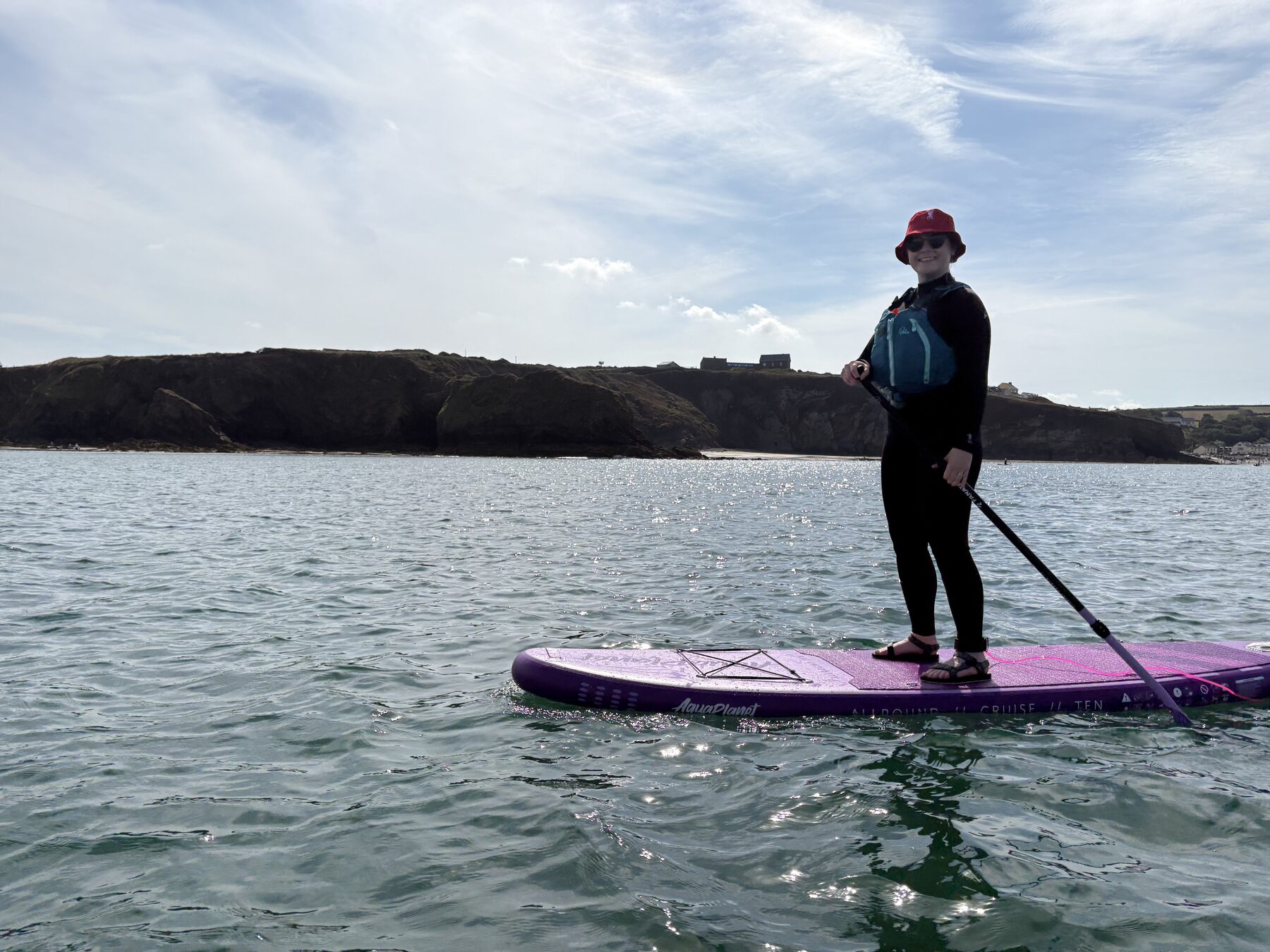
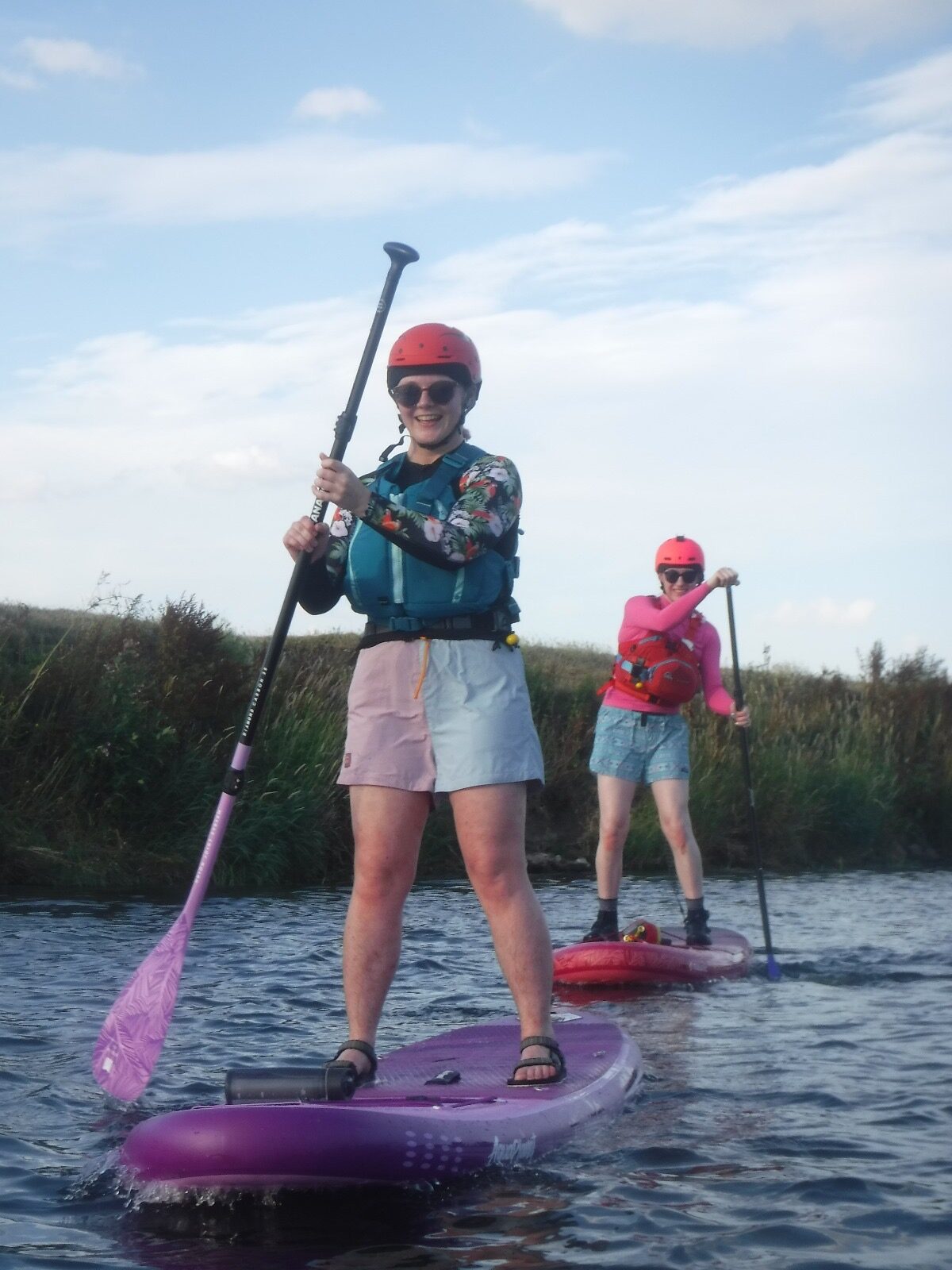
- Wear a correctly fitted buoyancy aid or personal flotation device.
- Carry a way to call for help on your person, not stored inside the craft.
- Check wind, weather, tides, flow, cold water, and local hazards.
- Understand leash choice for the craft and environment.
- Tell someone where you are going and when you expect to return.
Where change is needed
Retailers shape the safety decision before anyone reaches the water.
We're asking retailers to change the places where buying decisions actually happen: product pages, in-store displays, seasonal promotions, marketplace listings, checkout prompts, packaging, and imagery.
Put safety prompts on product pages, displays, packaging, and checkout journeys.
Offer suitable buoyancy aids, PFDs, or lifejackets alongside beginner inflatable craft where appropriate.
Say plainly when flotation equipment is not included and avoid one-size-fits-all bundle claims.
Show suitable safety equipment in product, catalogue, and promotional images where appropriate.
Help buyers find trusted safety advice before their first launch.
Credibility and independence
Clear evidence. Open corrections.
Evidence-led
We record the sources, dates, confidence, and limitations behind public claims.
Careful about criticism
Retailer scores or criticism are not published without methodology, review rules, and right to reply.
Independent
We don't speak for any safety body, club, or retailer unless permission is explicit — and we never imply it.
Take action
Make the buying moment better for the next beginner.
Add your name to the Summer 2026 Open Letter. Every signature is reviewed before publication, and your contact details stay private.